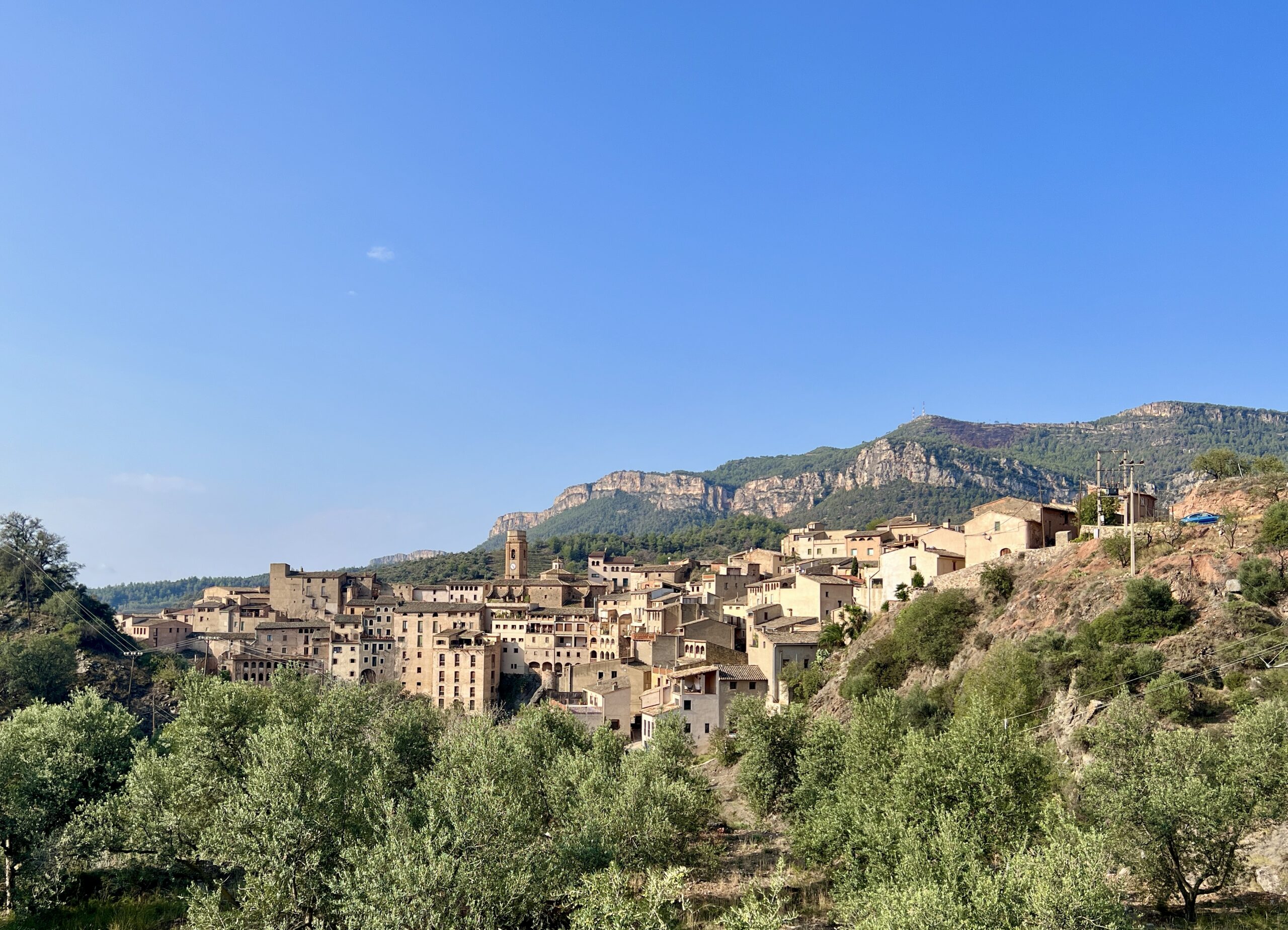
There are places you visit, and places that, little by little, change your understanding of life. Priorat belongs to the latter category.
Nestled among steep hills, terraced vineyards, and historic stone villages, this small inland region of Catalonia offers an alternative to congested cities and crowded coastal destinations. Here, life moves at a calmer pace, dictated by the seasons, the landscape, and a strong sense of local identity. Mornings begin with the sound of bells, errands at the market, or coffee in the village square. Evenings are often quiet, with clear skies, distant views of vineyards and mountains, and very little traffic.
However, living in Priorat is not simply about escaping modern life. It means choosing a different version of it: more space, closer community relationships, contact with nature, and a more conscious daily rhythm.
For those considering a permanent move, a second home, or a lifestyle-driven long-term investment, this guide explores the reality of living in Priorat: from daily routines and local services to community, costs, advantages, and potential drawbacks.
Daily Life in Priorat
Daily life in Priorat largely depends on the village you choose, the type of home, and whether you plan to reside year-round or only for certain seasons.
Falset, the region’s capital, offers the most complete infrastructure for everyday needs. It has shops, supermarkets, educational centers, healthcare services, cafes, restaurants, sports facilities, and transportation connections. Smaller villages, such as Gratallops, Porrera, Poboleda, Torroja del Priorat, or La Vilella Baixa, provide a more intimate rural experience, though residents often need to travel for certain services.
For many, this balance is part of the appeal. It’s possible to enjoy the tranquility of village life while remaining a reasonable distance from larger towns and the Mediterranean coast.
A Lifestyle Connected to the Seasons
The Priorat lifestyle is closely linked to nature and agriculture. The landscape visibly changes throughout the year.
Spring fills the vineyards with green and the paths with wildflowers, offering pleasant temperatures for walking or cycling. Summer is warm and lively, especially during local festivals and holiday periods. Autumn is marked by the grape harvest, when activity in the villages increases and the vineyards are full of workers. Winter is quieter and more introspective, with cold mornings, lit fireplaces, and a less intense social calendar.
Unlike a city, where seasons can go almost unnoticed, living in Priorat makes you pay more attention to the weather, the light, and the agricultural cycle. Many residents grow vegetables, tend olive trees, buy directly from local producers, or develop a greater appreciation for the region’s food and wines.
Space, Nature, and Outdoor Living
One of Priorat’s greatest luxuries is access to open spaces. From many villages, paths wind through vineyards, rural tracks, and mountain trails. The region attracts hikers, cyclists, nature lovers, and people who simply enjoy the outdoors without needing to organize a full-day excursion.
A typical weekend might include a walk through the vineyards, a meal at a local restaurant, a visit to a winery, or an excursion to a nearby village. Those who live in a house with a terrace, patio, or a small plot of land often spend much more time outdoors than those residing in an urban apartment.
The landscape also invites quieter activities. Reading, gardening, cooking, photography, or hosting family and friends often take on a more significant role in daily life.
Working from Home
Remote work has made rural living a more realistic option for many international buyers. Priorat can be an attractive base for consultants, writers, designers, entrepreneurs, and professionals who don’t need to commute to an office daily.
However, it is essential to check the quality of the internet connection before buying or renting a property. Almost all villages in Priorat have fiber optic internet. Isolated rural properties need to find another solution. A picturesque estate may offer privacy and spectacular views, but it’s important to carefully analyze the internet connection, mobile coverage, and physical access.
Those who work from home may also need an adequate office space, especially in older homes, where heating, natural light, and insulation can differ greatly from those in a modern construction.
Transportation and Mobility
For most people living in Priorat, having a car is highly recommended. Public transportation exists, but its frequency and flexibility may not be sufficient for daily routines, especially in smaller villages.
A car facilitates access to supermarkets, medical appointments, educational centers, restaurants, wineries, and neighboring towns. It also allows travel to Reus, Tarragona, Barcelona, and the coast when necessary.
For some, relying on a car is a minor adjustment. For others, especially if they are accustomed to walking or using frequent public transportation, it can be one of the main changes in their lifestyle.
Community, Services, and Pace of Life in the Villages
Priorat’s villages are small, and community life is very visible. People greet each other on the street, notice when a new family arrives, and often offer help when a neighbor needs it.
This closeness can be very welcoming, especially for those seeking human connections and a sense of belonging. At the same time, integrating into a rural community takes time. Participation, respect, and genuine interest in local life are usually valued more than simply owning a home in the village.
Becoming Part of the Community
Local festivals, cultural events, wine fairs, communal meals, and seasonal celebrations play a central role in social life. Participating in these activities is one of the best ways to meet people and understand the village’s personality.
Speaking Spanish is very useful, while learning some Catalan can help establish deeper relationships and show respect for the local culture. It’s not necessary to master the language from day one. The willingness to communicate and participate is usually the most important thing.
International residents can also meet other people who have moved to Priorat from different places. In some villages, there is a small but established community of foreign owners, winemakers, hospitality professionals, and remote workers.
The social environment is often more personal and less anonymous. This can generate strong support networks, although it also implies that privacy has a different meaning than in the city. News travels quickly, and neighbors are often aware of what is happening around them.
Everyday Shops and Services
Falset is the main service hub of the region. There you will find supermarkets, independent shops, pharmacies, banks, cafes, and other essential businesses. Smaller villages may have a bakery, local shop, bar, cooperative or weekly market, pharmacy, and outpatient medical care, although the offerings vary in each municipality.
Planning is part of rural life. Instead of expecting all products and services to be immediately available, residents often group errands, shop in advance, or order certain items online.
For major purchases, specialized medical care, or a wider commercial variety, it is usually necessary to travel to larger towns. Mora d’Ebre, Reus, and Tarragona are important reference points, while Barcelona remains accessible for occasional trips.
Healthcare and Education
The region has basic healthcare, while more specialized services are found in larger urban centers. Falset has a primary care center (CAP) with 24/7 emergency services. In Mora d’Ebre, 15 minutes by car from Falset, there is a regional hospital. Those planning to live permanently in Priorat should inquire about healthcare options that suit their personal circumstances, including registration, insurance, and access to specialists.
Families should also research educational centers, school transportation, and extracurricular activities before deciding where to live. Villages offer school bus service. The experience can be very positive for children who enjoy nature and a close-knit community, although educational options are, logically, more limited than in a large city.
A Slower Pace, But Not Completely Isolated
One of the great attractions of living in Priorat is its slower pace. There is less traffic, less noise, and less pressure to rush from one obligation to another.
However, “slow” does not mean inactive. The wine sector, tourism, agriculture, and local businesses generate periods of intense activity. The grape harvest can be extremely busy, and during some weekends, the presence of visitors in wineries and restaurants increases.
Furthermore, each village has a different personality. A municipality might seem very lively on a Saturday at noon and be almost silent on a weekday evening. Before buying a home, it’s advisable to visit the area at different times, both during the week and on weekends, and in more than one season of the year. This provides a much more accurate picture of the real atmosphere. Villages have cultural and sports associations that offer activities and foster participation and a sense of community among their members.
The Cost of Living in Priorat
The cost of living in Priorat can be lower than in Barcelona or more sought-after coastal areas, especially regarding housing prices and certain lifestyle-associated expenses. However, living in a rural area does not automatically mean living cheaply.
The total cost depends on the property, its condition, heating needs, travel, and the type of life you wish to lead.
Housing Costs
The real estate market can offer much more space and character than an equivalent budget would allow in a large city. It is possible to find traditional village houses, renovated stone homes, rural estates, and properties with terraces or old wineries. However, the supply is limited, and prices can vary considerably.
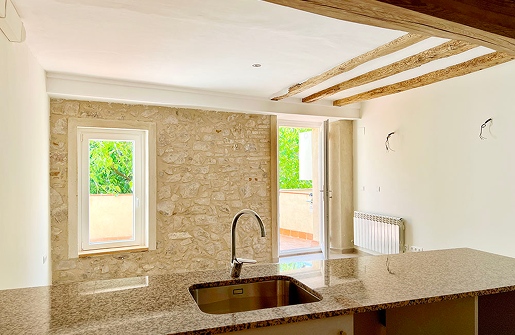
The affordable price of many homes in Priorat offers the possibility of allocating part of the budget to a personalized renovation. Renovating elements such as the roof, structure, insulation, windows, plumbing, or electrical installation allows the house to be adapted to the needs and lifestyle of each owner.
With good planning, it is possible to transform a traditional home into a dream home and, even including the cost of purchase and renovation, make a total investment considerably lower than acquiring a small apartment in a large city.
A carefully renovated old stone house can offer superior quality to many new constructions. Furthermore, the use of natural materials such as stone, wood, and iron creates an ideal base for those who wish to live in a sustainable environment and complete the renovation following ecological criteria.
Everyday Expenses
Buying local products allows you to enjoy excellent olive oils, wines, and seasonal ingredients, generally at more affordable prices, as does eating in local restaurants and bars, compared to Barcelona or coastal towns. Given that Priorat is a highly prestigious international destination, it also has high-end restaurants with higher prices. However, generally speaking, eating out in village restaurants is more affordable. In contrast, the cost of electricity and water is approximately similar. It is interesting to know that property taxes (IBI) for houses are more affordable, being a rural area, than in large city areas.
Heating and Energy
The thick stone walls of traditional Priorat houses help maintain a pleasant indoor temperature: they protect from heat during the summer and help retain warmth on cold winter nights. With an adequate heating system and a well-planned renovation, these homes can be comfortable year-round.
Before buying, it is advisable to check aspects such as the condition of the windows, roof insulation, heating, and ventilation. Improvements made to these elements not only increase comfort but also promote energy efficiency and allow you to fully enjoy the character and solidity of a traditional house in any season.
Transportation Costs
Priorat offers the opportunity to enjoy more affordable housing, a tranquil environment, and an excellent quality of life, without sacrificing connectivity. All villages have high-speed fiber optic internet, allowing for remote work, either full-time or combining telecommuting with occasional travel.
For daily life, having a car provides freedom and facilitates access to Falset, Reus, Tarragona, Barcelona, and the coast. The distance from major urban centers is precisely one of the region’s attractions: it allows you to live surrounded by nature, vineyards, and small villages, far from traffic and the fast pace of the city, while maintaining good digital connections and reasonable access to services, airports, and international destinations.
Comparison with City and Coastal Life
Priorat typically offers more space, less congestion, greater safety, and a quieter environment than Barcelona or the most popular coastal destinations. Its residents are less exposed to mass tourism, expensive parking, and the constant pressure of a highly competitive urban real estate market.
Living in Priorat offers a different way of understanding comfort: simpler, quieter, and more intimate. The extraordinarily beautiful nature begins practically at your doorstep, with immediate access to paths and roads ideal for hiking, cycling, or enjoying a relaxing stroll among vineyards and mountains. It’s also possible to buy excellent wines directly from the region’s wineries, without the need for long journeys.
The daily pace is efficient and pleasant. Routine shopping and errands are usually done quickly, without traffic jams, long queues, or the constant search for parking. This allows for less time spent on daily obligations and more time to enjoy: sitting down for a coffee or a cold beer, chatting with people on the street, and becoming part of community life.
Although accessing some specialized services may require traveling to larger towns, daily life in Priorat combines practicality, direct contact with nature, and a sense of freedom difficult to find in a big city.
Advantages and Disadvantages of Living in Priorat
No destination is suitable for everyone. The dream of rural life is much more satisfying when based on realistic expectations.
Main Advantages
The landscape is one of the most obvious benefits. The vineyards, mountains, and historic villages create an environment with its own unique and deeply inspiring identity.
Priorat also offers tranquility, privacy, and a strong sense of belonging to the place. Insecurity is not usually a dominant concern in daily life, and many residents value the feeling of protection provided by a close-knit community.
Homes can offer more space and character than urban properties. Buyers can find houses with terraces, wineries, workshops, gardens, or panoramic views that would be unattainable in Barcelona or the most sought-after coastal areas.
The region is especially attractive for those who enjoy wine, gastronomy, hiking, cycling, photography, gardening, or creative work. It can also provide a more balanced environment for remote professionals and semi-retired individuals.
Perhaps the greatest advantage is intangible: time is perceived differently. Life is less rushed, and daily routines are more connected to people, the land, and the seasons.
Potential Drawbacks
A car is usually essential, and public transportation is limited compared to a city.
To access specialized healthcare, international schools, large shopping centers, and a wide range of leisure activities, travel is necessary.
Language can be an excellent gateway to local life. Although it’s initially possible to get by in English in some situations, and Spanish facilitates daily life, learning some Catalan helps create closer ties with neighbors and better understand the region’s culture. Additionally, there are opportunities to attend free Catalan courses, which allows for accessible progress and meeting other people. Priorat residents are generally open and welcoming to those who come to live in their villages. Showing interest in the language, traditions, and community activities is usually highly valued and greatly facilitates integration.
The attitude between residents of a large city and a village is different. The closeness inherent in a village is also one of its great attractions: people greet each other, know each other, and help each other. For those coming from a big city, this closer life can be a change, but it also offers the opportunity to feel part of a community and build authentic relationships.
Is the Priorat Lifestyle Right for You?
Living in Priorat is especially suitable for those who value authenticity over convenience, space over speed, and community over anonymity.
It can be an excellent option for entrepreneurs and remote workers, retirees, families seeking a rural environment, wine lovers, and people who wish to divide their time between nature and the rest of the world.
The best way to make a decision is not just to spend a weekend in the region. It’s advisable to stay in the area during different seasons, explore the villages early in the morning and after dark, shop at local businesses, drive on the roads you would typically use, and imagine winter routines, not just summer ones.
A successful move to Priorat begins with choosing the right village and property for the lifestyle you truly desire.
Discover Your Life in Priorat
Priorat offers something increasingly hard to find: an extraordinary landscape, a community with identity, and enough space to build a more personal way of life.
Whether you are looking for a renovated village house or a rural estate, a second home or a permanent residence in Catalonia, local knowledge can help you understand the differences between villages, properties, and lifestyles.
Discover available homes in Priorat or speak with our team about the life you’d like to create here. We can help you identify the most suitable areas, arrange viewings, and find a property that fits both your practical needs and your future vision.